

Employee engagement doesn’t happen because of a company-wide email or a once-a-year team event.
Employees are more likely to stay engaged when they feel supported, valued, and equipped to manage the challenges that come with work and life. That’s where corporate wellness activities can make a meaningful difference.
The best wellness initiatives do more than check a box. They help employees manage stress, improve focus, build healthy habits, and feel more connected to their workplace.
If you’re looking for wellness ideas that employees will actually participate in, this guide covers some of the most effective corporate wellness activities for improving engagement, wellbeing, and workplace culture.
What Are Corporate Wellness Activities?
Corporate wellness activities are programs, workshops, and experiences designed to support employee physical, mental, emotional, and financial wellbeing.
Examples include meditation classes, yoga sessions, financial wellness workshops, stress management training, and mental health education.
When offered consistently, these activities can help improve employee engagement, reduce burnout, strengthen morale, and create a healthier workplace experience.
Why Corporate Wellness Activities Matter
Employee engagement and employee wellbeing are closely connected.
When employees feel overwhelmed, exhausted, or unsupported, engagement often declines. Productivity drops, absenteeism rises, and retention becomes a challenge.
Well-designed wellness activities can help organizations:
- Reduce workplace stress
- Improve employee morale
- Support mental health
- Strengthen team connections
- Encourage healthier habits
- Increase employee retention
- Create a more positive workplace culture
The most successful programs aren’t built around trends. They’re built around the real challenges employees face every day.
How to Choose the Right Wellness Activity
The best corporate wellness activity depends on the outcome you’re trying to achieve.
| Goal | Recommended Activity |
|---|---|
| Reduce stress | Meditation classes, stress management workshops |
| Improve morale | Yoga sessions, wellbeing days |
| Increase focus | Mindfulness workshops, creativity sessions |
| Support financial wellbeing | Financial wellness programs |
| Prevent burnout | Mental health workshops, wellbeing days |
| Build healthier habits | Fitness classes, nutrition workshops |
Rather than offering a single event, many organizations see stronger participation when they provide a variety of wellness options throughout the year.
1. Meditation Classes
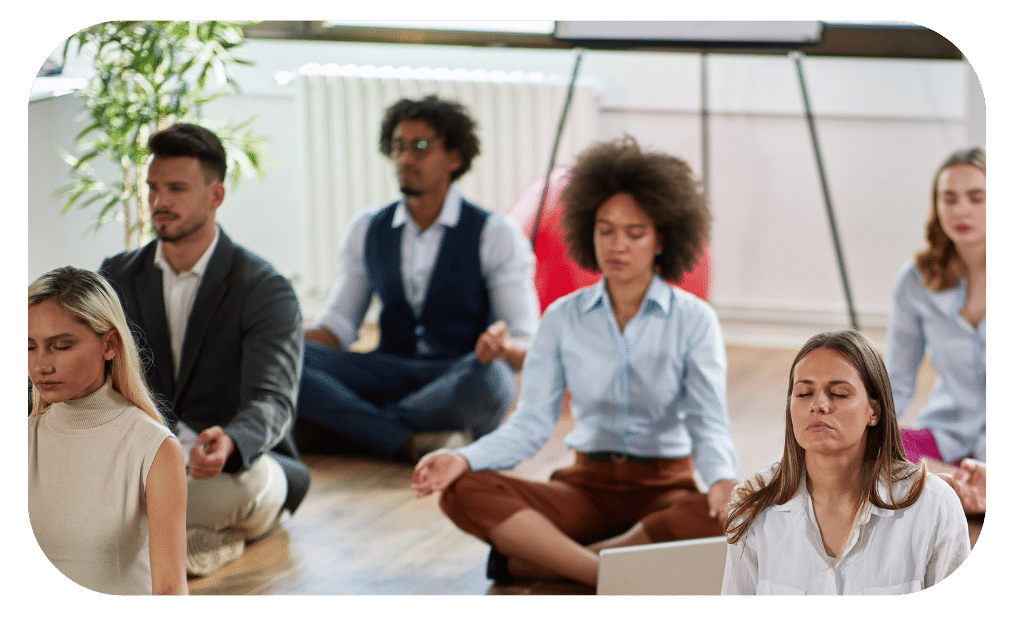
Meditation classes help employees reduce stress, improve concentration, and develop healthier responses to workplace pressure.
Work deadlines, constant notifications, and packed calendars can make it difficult to stay focused. Meditation gives employees practical techniques they can use throughout the workday to reset and regain clarity.
Benefits of workplace meditation include:
- Improved focus
- Reduced stress levels
- Better emotional regulation
- Increased resilience during busy periods
Meditation sessions can be delivered virtually or onsite, making them accessible for remote, hybrid, and in-office teams.
Things To Consider When Setting Up Meditation Classes For Your Employees:
- Camera Comfort: Inform employees that for virtual meditation sessions, they have the option to turn off their camera if it makes them more comfortable. This can create a more relaxed and personal space for meditation.
- Leadership Involvement: Encourage upper management to participate in the meditation sessions. Their involvement can set a positive example and underscore the importance of the activity within the company culture.
- Encouragement of Participation: Actively encourage employees to take time out of their busy schedules for meditation. Emphasize the importance of this activity for their well-being to ensure they don’t perceive it as a non-essential task.
- Variety in Topics: Keep the meditation sessions engaging by introducing a variety of meditation topics. This diversity can cater to different interests and needs, keeping the sessions fresh and appealing.
- Regular Scheduling: Establish a regular schedule for the meditation classes. Consistency is key to help employees experience the full benefits of meditation and to encourage ongoing practice and improvement.
2. Financial Wellness Programs

Financial stress doesn’t stay at home when employees start their workday.
Money concerns can affect concentration, productivity, and overall wellbeing. Financial wellness workshops help employees better understand topics such as budgeting, debt management, saving strategies, and financial planning.
Common workshop topics include:
- Budgeting basics
- Retirement planning
- Managing debt
- Building emergency savings
- Financial goal setting
Providing financial wellness resources demonstrates that your organization recognizes the broader factors that affect employee wellbeing.
Things To Consider When Setting Up Financial Wellness Programs For Your Employees:
- Address Any Compensation Complaints First: Ensure that any existing complaints or concerns regarding employee compensation have been addressed adequately. Introducing financial wellness classes without resolving these issues might lead to feelings of discontent or the perception that the classes are a substitute for actual compensation improvements.
- Expert Instructors: Hire qualified financial experts to conduct these classes. This ensures that the information provided is accurate, relevant, and beneficial.
3. Mat Yoga & Chair Yoga Classes

Yoga remains one of the most popular corporate wellness activities because it supports both physical and mental wellbeing.
Employees spend long hours sitting at desks, attending meetings, and working on screens. Yoga encourages movement, flexibility, and relaxation while helping participants release tension built up during the workday.
Workplace yoga can help employees:
- Reduce physical discomfort
- Improve flexibility
- Lower stress levels
- Increase energy
- Improve overall wellbeing
One of the biggest advantages of yoga is its accessibility. Sessions can be adapted for all fitness levels and experience levels.
Things To Consider When Setting Up Yoga Classes For Your Employees:
- Space and Environment: Choose a calm, spacious area for the classes, ensuring a peaceful and safe environment for yoga practice.
- Schedule Flexibility: Offer classes at various times to accommodate different work schedules, encouraging maximum participation.
- Equipment Provision: Provide necessary equipment like yoga mats or encourage employees to bring a towel or blanket if you are providing a mat yoga session.
- Promotion: Effectively communicate the benefits and details of the yoga program to encourage employee participation.
4. Sleep Wellness Workshops

Sleep plays a major role in employee performance, mental health, and engagement.
Employees who consistently struggle with sleep may experience difficulty concentrating, lower energy levels, and increased stress.
Sleep wellness workshops help employees understand:
- Healthy sleep habits
- Sleep hygiene strategies
- Evening routines
- The relationship between stress and sleep
- How sleep affects workplace performance
Improving sleep quality can have a positive impact on both employee wellbeing and day-to-day productivity.
5. Virtual or Onsite Fitness Classes

Regular movement can improve energy, mood, and overall health.
Corporate fitness classes give employees a convenient way to stay active while building healthier habits.
Popular options include:
- Stretch breaks
- Cardio workouts
- Strength training
- Low-impact movement classes
- Walking challenges
Fitness programs can be delivered onsite or virtually, making them suitable for distributed teams and flexible work environments.
6. Creativity and Focus Workshops

Creative thinking isn’t reserved for design teams.
Employees across all departments benefit from learning techniques that improve concentration, problem-solving, and innovation.
Creativity and focus workshops can help employees:
- Generate new ideas
- Improve concentration
- Manage distractions
- Develop problem-solving skills
- Approach challenges with greater confidence
These sessions can be especially valuable for teams experiencing mental fatigue or creative blocks.
7. Nutrition and Healthy Eating Workshops

Healthy eating habits contribute to energy levels, concentration, and overall wellbeing.
Nutrition workshops provide practical guidance employees can use in their daily lives without requiring major lifestyle changes.
Topics often include:
- Balanced meal planning
- Healthy snacking
- Nutrition for energy and focus
- Mindful eating practices
- Building sustainable habits
Employees often appreciate wellness programs that provide realistic, actionable advice rather than restrictive recommendations.
8. Stress Management Workshops

Stress management workshops give employees tools they can apply immediately when workplace pressures begin to build.
These sessions focus on helping participants recognize stress triggers and respond in healthier ways.
Common topics include:
- Stress awareness
- Coping strategies
- Boundary setting
- Time management
- Building resilience
Organizations that actively support stress management often create healthier and more productive workplace cultures.
9. Mental Health Training

Mental health training helps employees recognize signs that someone may be struggling and understand how to respond appropriately.
The goal isn’t to turn employees into mental health professionals.
Instead, participants learn how to:
- Recognize warning signs
- Start supportive conversations
- Connect colleagues with resources
- Reduce stigma around mental health
This type of training can help create a more supportive and psychologically safe workplace.
10. Employee Wellbeing Days
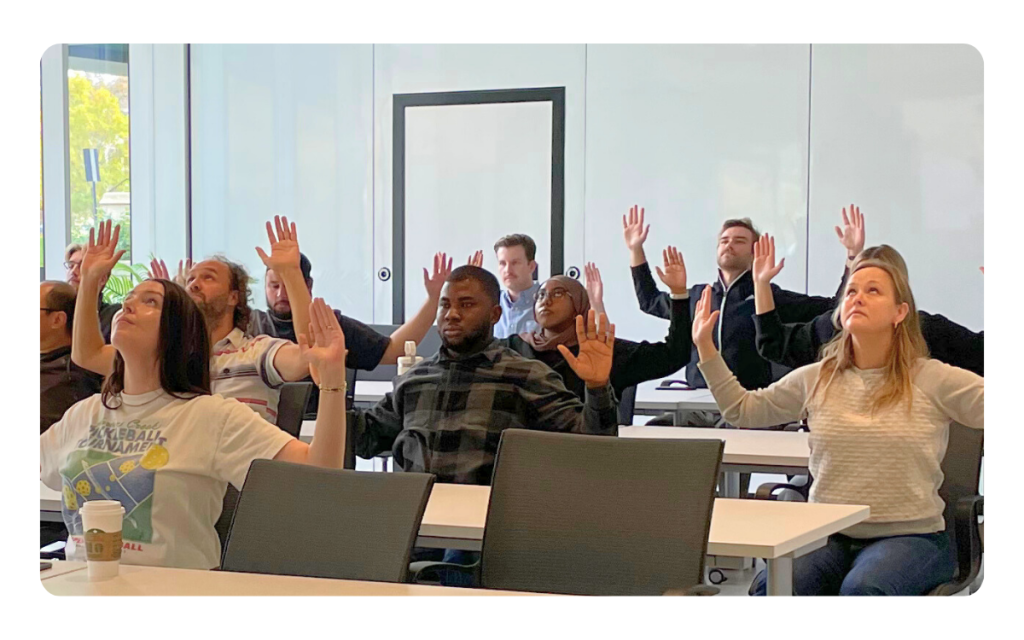
Employee wellbeing days give employees dedicated time to focus on their health and wellbeing.
These events often combine multiple wellness activities into a single experience, such as:
- Meditation sessions
- Yoga classes
- Mental health workshops
- Nutrition education
- Fitness activities
- Wellness speakers
Wellbeing days can generate excitement around workplace wellness while introducing employees to resources they may continue using long after the event ends.
Common Mistakes Companies Make With Wellness Programs
Not every wellness initiative delivers meaningful results. Some common mistakes include:
Treating Wellness as a One-Time Event
Employee wellbeing requires ongoing support. A single workshop is rarely enough to create lasting change.
Offering Only One Type of Activity
Employees have different interests, needs, and comfort levels. A variety of wellness options typically leads to stronger participation.
Ignoring Employee Feedback
The most successful wellness programs are shaped by employee interests and needs.
Measuring Participation Instead of Impact
Attendance matters, but outcomes matter more. Consider tracking employee feedback, engagement scores, and wellbeing indicators alongside participation rates.
Bringing Wellness to Your Workplace
The best corporate wellness activities don’t need to be complicated.
Employees are looking for practical support that helps them manage stress, improve wellbeing, and feel more engaged at work. Whether you’re planning a single workshop or building a year-round wellness strategy, the most effective programs focus on real employee needs and provide tools people can actually use.
When wellness initiatives are thoughtful, consistent, and relevant, they can contribute to stronger engagement, healthier teams, and a more positive workplace culture.
Frequently Asked Questions
What is a corporate wellness program?
A corporate wellness program is an employee benefits program that aims to improve the health and well-being of a company’s employees. These programs can include a wide range of activities, from health screenings to fitness classes and stress management workshops.
What are the most popular corporate wellness activities?
Meditation classes, yoga sessions, fitness programs, stress management workshops, financial wellness training, and mental health education are among the most popular workplace wellness activities.
Do wellness activities work for remote employees?
Yes. Wellness activities can help remote employees manage stress, improve morale, feel supported, and develop stronger connections to their workplace.
How often should companies offer wellness activities?
Many organizations see the best results when wellness activities are offered regularly throughout the year rather than as one-time events. A good cadence is monthly or quarterly.
What are some low-cost employee wellness activities?
Meditation sessions, walking challenges, mindfulness workshops, lunch-and-learn events, and wellness resource sharing can all be implemented with relatively modest budgets.
Which wellness activities help prevent employee burnout?
Stress management workshops, mental health education, meditation classes, sleep wellness programs, and wellbeing days can all help employees manage stress and reduce burnout risk.
Can Twello help us plan corporate wellness webinars?
Of course! We offer workshops and ready-to-run activities aligned with many major observances, so HR and People teams can acknowledge important dates without scrambling. Check out our entire catalog here.